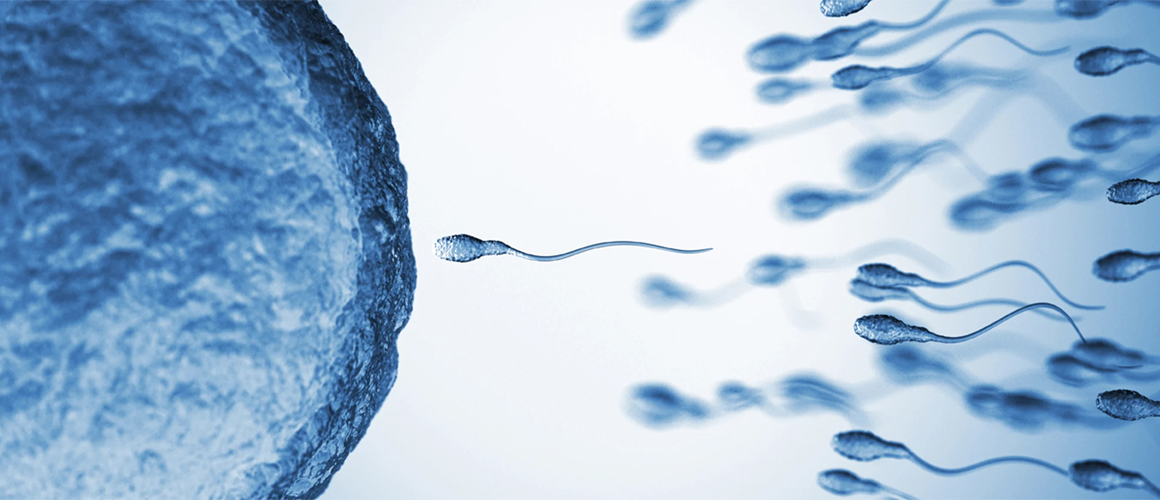
Advanced sperm selection techniques such as PICSI (Physiological IntraCytoplasmic Sperm Injection) and MACS (Magnetic-Activated Cell Sorting) are used in assisted reproductive technology (ART) to improve the chances of successful fertilization and embryo development. These techniques aim to select the healthiest and most functionally competent sperm for use in procedures like in vitro fertilization (IVF) or intracytoplasmic sperm injection (ICSI).
PICSI : Physiological Intra Cytoplasmic Sperm Injection is a method that mimics the natural selection process that occurs in the female reproductive tract. It involves exposing sperm to a culture medium containing hyaluronic acid, a substance found in the female reproductive tract. Sperm that bind to the hyaluronic acid are believed to have better maturity and functional integrity, as this binding process is thought to be indicative of sperm with intact DNA and normal cellular function. These selected sperm are then used for ICSI, where a single sperm is injected directly into each egg.
MACS : Magnetic Activated Cell Sorting a technique that uses magnetic beads coated with specific antibodies to target and capture sperm with desirable characteristics. These characteristics may include sperm with intact DNA, normal morphology, and good motility. By passing the sperm sample through a magnetic field, sperm bound to the magnetic beads are separated from those that are not, allowing for the isolation of higher-quality sperm. The selected sperm can then be used for IVF or ICSI procedures.
Male Factor Infertility : PICSI and MACS are particularly useful in cases of male factor infertility, where the quality of the sperm may be compromised. Male factor infertility can include issues such as low sperm count, poor sperm motility, or abnormal sperm morphology. By selecting sperm with optimal characteristics, such as intact DNA, normal morphology, and good motility, PICSI and MACS can improve the chances of successful fertilization and embryo development in couples with male factor infertility.
Previous IVF Failures : In cases where couples have experienced previous IVF failures, PICSI and MACS can offer a more targeted approach to sperm selection. These techniques help to identify and isolate sperm with the highest potential for successful fertilization, potentially overcoming previous barriers to conception. By selecting the healthiest sperm for use in subsequent IVF cycles, PICSI and MACS can improve the chances of achieving a successful pregnancy in couples who have experienced IVF failures.
Reducing DNA Fragmentation : High levels of DNA fragmentation in sperm can negatively impact fertilization and embryo development. PICSI and MACS are conducted to reduce DNA fragmentation by selecting sperm with intact DNA. This can help to improve the quality of embryos produced during IVF and increase the chances of implantation and pregnancy.
Improving treatment outcomes : PICSI and MACS are conducted to improve treatment outcomes in couples undergoing ART. By selecting sperm with optimal characteristics, these techniques can enhance the chances of successful fertilization, embryo development, and pregnancy. They offer a more targeted and precise approach to sperm selection, ensuring that only the healthiest sperm are used for fertilization, which can ultimately improve the overall success rates of IVF and other ART procedures.
Both techniques help to improve the quality of sperm selected for fertilization. PICSI mimics the natural selection process that occurs in the female reproductive tract, allowing for the identification and isolation of sperm with optimal maturity and functional integrity. Similarly, MACS utilizes magnetic beads coated with specific antibodies to target and capture sperm with desirable characteristics, such as intact DNA and normal morphology. By selecting sperm with these optimal attributes, PICSI and MACS enhance the chances of successful fertilization and embryo development, ultimately improving treatment outcomes for couples undergoing ART.
PICSI and MACS can be particularly beneficial for couples with male factor infertility or previous IVF failures. In cases where conventional sperm selection methods may not yield optimal results, such as low sperm count, poor sperm motility, or abnormal sperm morphology, PICSI and MACS offer a more effective alternative. These techniques help to identify and isolate sperm with the highest potential for successful fertilization, potentially overcoming previous barriers to conception and increasing the chances of achieving a successful pregnancy.
Additionally, PICSI and MACS help to reduce DNA fragmentation in sperm, which can negatively impact fertilization and embryo development. By selecting sperm with intact DNA, these techniques minimize the risk of genetic abnormalities and improve the quality of embryos produced during IVF. This can lead to higher implantation rates and lower rates of pregnancy loss, ultimately enhancing the overall success rates of ART procedures.
Words cannot express our gratitude to Womb Care Fertility & Research Centre. After years of disappointment and heartache, we had almost given up hope of ever becoming parents. But thanks to the expertise of the doctors and staff at Womb Care Fertility & Research Centre, we now have a precious bundle of joy in our arms. They truly are miracle workers.

Choosing Womb Care Fertility & Research Centrewas the best decision we ever made. From the initial consultation to the birth of our twins, the entire team went above and beyond to ensure our success. Their compassion, professionalism, and dedication to their patients are unmatched. We cannot thank them enough for helping us complete our family.

After struggling with infertility for years, we were hesitant to try another fertility clinic. However, Womb Care Fertility & Research Centre came highly recommended, and they exceeded all our expectations. The personalized care we received, coupled with their cutting-edge technology, made all the difference. We're forever grateful for their role in making our dreams of starting a family a reality.

Our journey to parenthood was filled with uncertainties until we found Womb Care Fertility & Research Centre. From the moment we walked in, we were greeted with warmth and empathy. The staff guided us through every step of our IVF journey, and thanks to their expertise and support, we are now proud parents to our beautiful baby girl.

My husband and I thank Womb Care Fertility & Research Centreenough for their unwavering support and guidance throughout our fertility journey. From the moment we walked through their doors, we knew we were in good hands. Their commitment to excellence and the genuine care for their patients shine through in everything they do. We are forever grateful for their role in bringing our little miracle into the world.