Why is PCOS so Common?
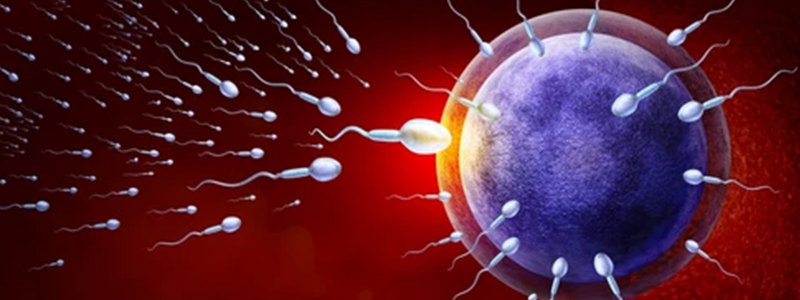
Infertility is the medical term used to describe the issue of a person (it could be male or female)who is unable to produce child despite having regular unprotected sex for a period of a year or more than a year.
Recently infertility has become a major challenge to lots of people all over the world. Various factors could be the cause of infertility. Main reason could be an overall health decline due to extremely busy, hectic stressful life, unhealthy foods, etc., but the silver lining is that despite a rising rate in infertility, there is enough medically advanced treatments available.
It is well known that aging affects fertility and pregnancy significantly. With more and more people choosing to focus on better resources, better standard of living and improved career before embracing parenthood, aging takes a toll on the reproductive health. Though it could be right from the person’s perspective, but the biological clock does not support this.
Infertility is classified into 3 types and they are as follows:
1. Primary infertility
2. Secondary infertility
Infertility can be caused by a lot of factors. They can be lifestyle disorders, age, hormonal imbalance, cancer/chemotherapy, reproductive organs abnormality, thyroid dysfunction, abuse of medications, etc.
Let us have a deep insight into how aging affects fertility and pregnancy. Age plays a very important role when it comes to fertility, both in men and women. Age is one of the major factors when it comes to conceiving and having a healthy baby both in men and women.
Having said that, cryopreservation also known as gamete freezing is a good choice for wanting to start family late, i.e., gamete freezing done at a younger age helps if the pregnancy plan is for later.
As per research and studies, a woman is at the peak of reproductive health in her 20s, her reproductive health takes a decline in her 30s, and after the age of 35 there is a more rapid decline in the fertility rate.
With aging, woman experiences more episodes of infrequent periods which are shorter, which lessen the chance of conceiving. Normal ovulation does not occur in women as they start aging affecting the quality of eggs.
There is a higher risk of complications in pregnancy with increasing age. Chromosomal abnormalities of the fetus and miscarriage risks are more predominantly noted from the age of 35. The risks and complications are not just limited to the above. Caesarean section, kids born with Down syndrome, complications due to gestational diabetes, still births are more common in older women as compared to the younger women. There is also risk of placenta praevia (a condition where the placenta covers either part of or all of the cervix, thereby increasing risk of placenta detaching). PCOS, i.e., polycystic ovary syndrome and endometriosis are seen to affect a women’s fertility to a great extent.
While the age factor of a female in fertility is mostly well known and often discussed, male aging also does play a role in fertility. The quality of the sperm starts to decline. Men, in general, have a decline in fertility from around the age of 40 to 45 years. Increased age in men reduces the chances of impregnating the partner. While we noted the age factor in decline of fertility in men, it is not limited to just decline in the fertility rate, but can also cause complications. It is generally noted that the kids of older men do have health issues. These health issues could be autism disorder in kids, mental health problems like schizophrenia (though not common yet).
1. Lifestyle Modification :
If needed, some changes in the existing lifestyle can bring about relief. A well-balanced healthy diet and regular exercises can prove beneficial in improving sperm health. It is best to stay away from habits such as alcohol and tobacco. These simple changes can drastically improve the overall sperm health and the swimming ability of the sperm.
2. Testing and Preservation :
Certain men who plan to start family at later stage in life can have fertility testing early on in life. An early testing helps understand the fertility health. A semen analysis helps in assessing the sperm count, morphology, and motility of the sperm. Early testing helps in knowing the reproductive health early. Added to this, freezing sperm at a younger age is a good option for preserving fertility.
3. Medical Interventions :
Thanks to advancements in medical field, there are some procedures which can help men conceive at older stage of life as well. ART (Assisted reproductive technologies)like the IVF along with ICSI can greatly help with issues related to the sperm due to age. The effectiveness of these procedure varies from person to person.
1. Donor egg IVF :
Donor egg in vitro fertilization is a procedure used in treatment for woman to conceive with the use of another woman's eggs. This treatment is used mostly in older women who might have failed other treatment modalities for fertility. Most often, this is the only beneficial treatment in older women.
2. In vitro fertilization :
IVF treatment also involves consumption of fertility medication. Here, in this procedure, the fertilization does not occur inside the uterus, but the eggs will be removed and fertilized with the partner’s sperm in the laboratory. This procedure yields a success rate of 10% in women of 40 years and above.
3. Intrauterine insemination :
IUI treatment involves taking fertility medication for stimulating egg production. When the patient ovulates, then the partner’s sperm will be directly transferred to the uterus by the medical specialist. This treatment sees lesser success in women over 40.
Age related infertility is quite common as the general reproductive health both in men and women would be declining. It is best to proceed with life as per the biological life cycle, but for whatever reasons and circumstances, the option or decision to start a family a little late in life can be well supported by the advanced medical treatment options. There are many procedures that provide a ray of hope to the person wanting to conceive at a little later stage of life. It is possible for the couple to start a family at a slightly older age with the right approach of reaching out to a fertility specialist and a perfect combination of fertility treatments. Rest assured, the doors are wide open with a ray of hope for older couple planning to start a family, happy parenting.