Why is PCOS so Common?

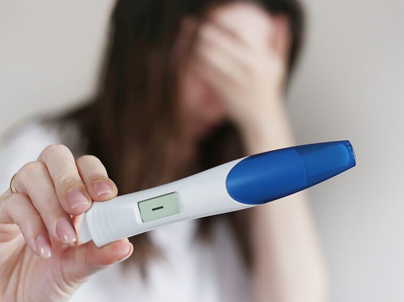
Infertility is a health abnormality of the male or female reproductive system due to whichit is not possible for the couple to produce one’s own offspring even after a period of a year or more of regular unprotected sexual intercourse.
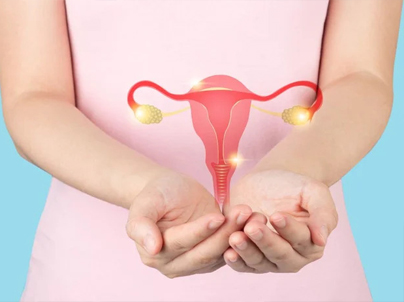
Female infertility, in specificmeans issue or inability of a female to-conceive despite frequent unprotected sexual activity with her partner for one year or more.
As mentioned above, infertility is not gender specific. This flaw affects both and women alike. A lot of people are facing infertility challenges recently. Despite the cases being high these days, the positive side of the matter is that infertility is treatable. Female infertility can be treated well with high success rate if taken care of at an early age. A young healthy age solves most of the problems when it comes to healthy reproduction. At very older stage of life, the success rates reduce of healthy and successful pregnancies.
Female infertility may be broadly classified into 2 categories, i.e., primary and secondary. In case of primary infertility, the patient has never been able to conceive. Whereas, in the case of secondary infertility, the patient may have conceived at least once, but is having issues with conceiving further.
Some possible causes of female infertility can be problems of the reproductive system, age, hectic lifestyle, medication usage, hormonal imbalance,stress, or some underlying medical condition.
When we speak of the signs and symptoms of female infertility, most often, they are not very clear or definite. Nevertheless, the fact of not being able to conceive after six months to an year of regular and unprotected sex can be considered as the most clear sign you cannot get pregnant. There may be no other suggestive signs or symptoms. Very few ladies might exhibit symptoms physically of either pelvic pain or abdominal pain.Also some women present with lack of periods (amenorrhea) or irregular and painful menstrual cycle.
As mentioned above, a notable sign you cannot get pregnant is not conceiving even after a year or more of unprotected sexual intercourse.
While generally, if the patient is trying to conceive for quite some time and has not been successful, it is best to approach the medical team immediately. Specifically, it is advised to reach to doctor if it is 1 year or more of unprotected sexual intercourse in younger female and 6 months or more of failed attempts at conceiving for older female.
Some of the causes a person cannot get pregnant is as mentioned below. Let us have a quick look at these possible causes of infertility in women:
1. Age.
2. Hormonal Imbalances.
3. Ovulation.
4. Structural defects in reproductive system.
5. Endometriosis.
6. Past or present medical and surgical condition
7. Pelvic Inflammatory Disease (PID}.
8. Long term exposure to chemicals.
9. Abuse of medicines.
10. Cancer and/or chemotherapy.
Once the patient approaches the medical team with the issue of not being able to conceive, the medical team would conduct a series of tests to know the exact reason for the infertility. These tests help in diagnosing the underlying reason which helps them in choosing the correct treatment modality.
A first hand comprehensive physical examination including the pelvic examis done along with medical history, family history, surgical history details obtained. Apart from this the most commonly done tests of female infertility are:
1. Blood tests
2. Tubal patency test
3. Thyroid function test.
4. Hormonal tests
5. Hysteroscopy
6. Ovulation test/ovarian reserve test
7. Laparoscopy
Treatment method for female infertility is based on the outcome of the results of the tests. Most commonly used treatment methods in female infertility are as listed below. Let us have a quick glance at these:
1. Counselling
2. Medications : Prescription drugs based on the reason of infertility.
3. Surgery : Not all cases of female infertility call for surgery. It is an option when there are certain structural defects such as uterine fibroids, polyps, adhesions, etc.
4. Ovulation Induction.
5. Intrauterine Insemination (IUI) :
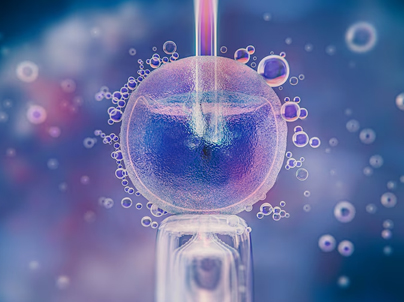
6. Assisted reproductive technologies (ART) : ART as the name suggests is a sophisticated reproductive technique whichhelps in resolving female infertility. The most commonly used ART procedures are
a. In vitro fertilisation (IVF)
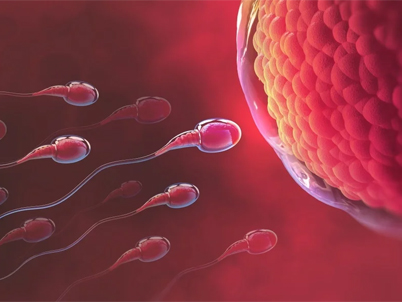
b. Intracytoplasmic Sperm Injection (ICSI)
7. Donor Eggs or Embryos:
Based on various factors such as the results of the tests conducted and knowing the reason for infertility, overall health of the patient, age of the patient, etc., a proper treatment method is chosen. Thanks to the advancement in the medical field, there are quite a few treatment options which suit most of the women based upon their individual medical history. Having said this, have to mention in bold and italics that there is hope for female infertility.
Infertility, is a stigma, especially for women even in today’s generation. Female infertility brings with it a lot of stress, anxiety along with the stigma attached. Nonetheless, with advanced medical treatments, there is a bright light giving hope to all the infertile women out there. Despite noticing the signs you cannot get pregnant, take things in your hand, approach the right gynaecologist/medical specialist at the right time and they will help you to navigate yourself out of female infertility. With a multitude of options available, some or the other treatment modality would be the right choice for you, so do not despair, and enjoy blissful motherhood in all its glory.