Why is PCOS so Common?

What does it mean?
Ladies, do not despair, you are not alone, nor is female infertility a medical emergency which cannot be treated. Female infertility can be treated and there is a high rate of success with treatment. Female infertility is the medical word used to indicate an issue or inability of a woman to-conceive despite frequent unprotected sexual activity for one year or more.
Female infertility may be broadly classified into 2 categories, i.e., primary and secondary. In case of primary infertility, the patient has never been able to conceive. Whereas, in the case of secondary infertility, the patient may have conceived at least once, but is having issues with conceiving further.
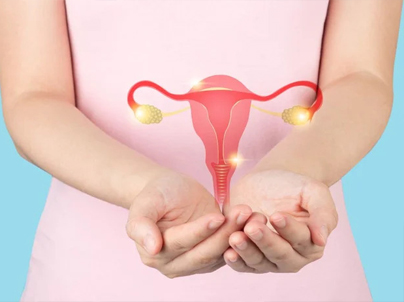
Some possible causes of female infertility can beproblems of the reproductive system, hectic lifestyle, stress, hormone abnormalities, or other underlying medical diseases.
A very notable main symptom of infertility is the patient not conceiving even after a year or more of unprotected sexual intercourse. Most often, apart from this, there are no other symptoms. While some patients may have irregular menstrual cycles, or lack of periods.
Generally, if the patient is planning to conceive and is trying to conceive for quite some time and has failed, it is best to approach the medical team.
There are quite a few causes of female infertility, but here let us go through in detail some possible causes of female infertility. Broadly speaking they could be hormone imbalance, long term medication effects, illnesses etc.
1. Hormonal Imbalances : Hormonal imbalances can impact the regular menstrual cycle thereby causing issues with fertility. Polycystic ovarian syndrome (PCOS), pituitary glands issue, thyroid function abnormalities, and also issues with the hypothalamus are some of the problems of hormonal imbalance and these can affect fertility.
2. Age : Most important, as the woman ages (35 and above), the eggs become scanty. The egg quality deteriorates due to aging. As has been observed, after the age of 35 getting pregnant and staying pregnant gets tough.
3. Ovulation : Polycystic ovary syndrome (PCOS),premature ovarian insufficiency,thyroid issues hormonal imbalances can disrupt normal ovulation.
4. Endometriosis : Endometriosis is a medical condition where the endometrium which is the lining of uterus develops outside the uterus. This affects the reproductive organs and can result ininflammation, adhesions, and infertility.
5. Structural abnormalities in the reproductive organs such as uterine fibroids, cysts, polyps, cervical stenosis can hinder proper implantation of the fertilised egg causing infertility.
6. Pelvic Inflammatory Disease (PID) : The sexually transmitted infections (STls)such as chlamydia and gonorrhoea are generally the cause of PID. These infections of the female reproductive organs can scar the fallopian tubes and harm the fallopian tubes if left untreated, leading to infertility.
7. Damage or blockages of the fallopian tubes can hinder the sperm from reaching the egg or it can obstruct the egg from reaching the uterus. Most often pelvic adhesions,pelvic inflammatory disease, prior operations, and endometriosis can be the possible causes.
8. Other medical conditions : In some cases, illnesses like diabetes, renal diseases, autoimmune diseases, cancer and its treatment, i.e., chemotherapy and radiation also affect fertility.
Infertility as noted above can be the result of any of the above-mentioned contributing factor. Almost 40% of cases are male factor infertility. It is in the best interest of the patient to approach the right medical intervention for exact diagnosis and treatment.
To ascertain the exact cause for the patient’s infertility, certain set of tests are done. These diagnostic tests can help in deciding the right treatment approach. A thorough physical examination, family history, medical history along with pelvic exam is done before opting for tests. Some of the commonly performed tests are
1. Hormonal tests
2. Thyroid function test.
3. Ovulation test/ovarian reserve test
4. Hysteroscopy
5. Laparoscopy
6. Blood tests
7. Tubal patency test
These are some of the most commonly used treatment options for infertility. Let us have a look at them:
1. Medications : Prescription drugs depending on the underlying infertility reason.
2. Ovulation Induction
3. Surgery: Surgery may be an option only when there are structural abnormalities like polyps, uterine fibroids, and adhesions.
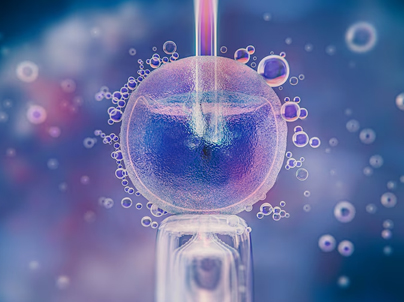
4. Assisted reproductive technologies (ART) : This is a group of sophisticated reproductive technique that help in resolving infertility. The most often preferred ART procedures are
a. In vitro fertilisation (IVF)
b. Intracytoplasmic Sperm Injection (ICSI)
5. Intrauterine Insemination (IUI)
6. Donor Eggs or Embryos
The right treatment approach depends on various factors such as the reason for infertility, age of the patient, overall health, etc. In today’s advanced stage of medical treatments, there is hope at the end of the tunnel. There are multitudes of treatment options which can help female infertility.
Infertility, a problem many youngsters facing today irrespective of the gender could be a byproduct of the busy, hectic, and stressful life we are leading. Though there are some possible causes of female infertility, there are many effective treatment options available. Female infertility can make a female more vulnerable, depressed, and dejected. With a huge variety of treatment options available, it is prudent to address the issue by approaching the right medical team, female infertility specialist, and get started with a new lease of life.