Why is PCOS so Common?
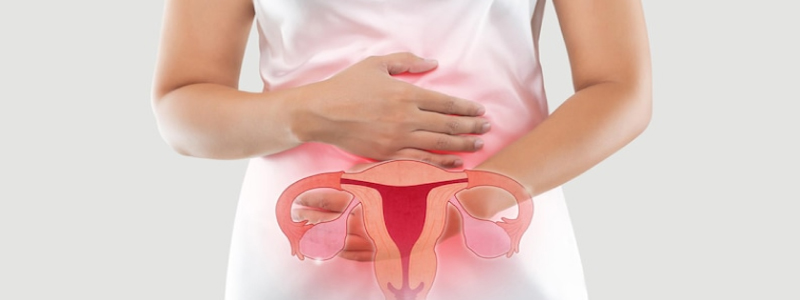
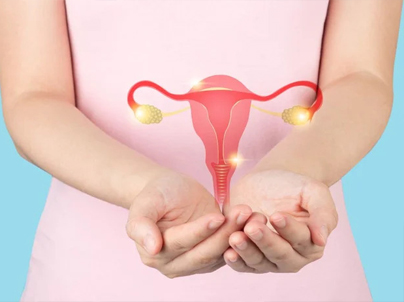
PCOS (polycystic ovary syndrome) is asevere medical condition ofhormonal disorder affecting women who are in their peak reproductive age. It is one of the most common hormonal dysfunction or abnormality all over the world. In this condition, ovaries are affected which is the female reproductive organ that produces the eggs. This leads to complications in conceiving and pregnancy.
Polycystic ovary syndrome causes irregular periods. It causes many other problems associated with the menstrual cycle like painful periods, amenorrhea, extended days of periods, etc. It also can cause acne breakout, hirsutism (male pattern facial hair).
Polycystic ovary syndrome is one of the most prevailing endocrine disordersin females and one of the most significant causes of infertility.
There are quite a few signs and symptoms indicative of polycystic ovary syndrome. Let us find out some of the most commonly noted signs and symptoms of PCOS.
1. Oily skin
2. Acne breakout
3. Problems in conceiving
4. Hair thinning on the head
5. Unwanted growth of body hair
Polycystic ovary syndrome is not a chronic medical condition and by following and adopting a healthy life style with healthy diet it can be managed well. PCOS is majorly classified into 4 types based on its causes, symptoms, etc. Let us have a quick look at these types.
1. Post-pill PCOS
2. Adrenal PCOS
3. Insulin-resistant PCOS
4. Inflammatory PCOS
It may not be totally wrong to say that PCOS is a 20th century medical phenomenon, meaning that before that it has gone unnoticed or it actually did not exist in such large numbers as it exists now. Recently, over the last few years the number of diagnosed cases of PCOS has seen a significant increase especially among the younger (reproductive age) female.
Though, there is no clear evident reasoning as to why PCOS is so common recently, but it can be safely assumed that the drastic change in lifestyle in terms of work environment, diet habits, exposures to a lot of pollution and chemicals, obesity, hormonal imbalance, stress, etc., may be some of the triggering factors. It also needs to be mentioned here, that it could also be that because of the awareness of PCOS, it could be diagnosed in patients more than before.
The actual cause of polycystic ovary syndrome is not yet documented. Nevertheless, it is being found that environmental factors and genetics contribute majorly. It has been established that genetics does play a significant role though.
Certain other triggering factors could also be related to obesity as well which plays a crucial role in PCOS.Research has shown that genetic and environmental factors contribute to the development of PCOS, but its exact cause remains unknown. It has been observed that the signs and symptoms of polycystic ovary syndrome runs in families over generations, hence genetics plays a significant role.
Depending on the overall symptoms, the patient is facing, the medical practitioner may suggest the diagnostic options. The medical practitioner would do a thorough physical examination, go through the family history, medical history, etc., check for symptoms of menstrual irregularities/issues, acne, weight gain, hirsutism, and insulin resistance. Depending on the observations, any of these could be done to diagnose PCOS:
1. Blood tests
2. Ultrasound
3. Pelvic exams
4. Regular vitals check
5. Check for obstructive sleep apnea
6. Check for anxiety and/or depression
Polycystic ovary syndrome (PCOS) is not curable. There is no treatment yet for its cure, albeit it can be well managed. Treatment modality for the management of PCOS totally depends on the symptoms the patient is facing. Managing of PCOS helps women in conceiving. For those patients, whose major concern is not conceiving, the treatment will differ depending on their bothersome issue.
As noted, based on the outlook of the patient and their issue, treatments would be initiated. Let us have a look in to what can be the treatment options. Most often the treatment for PCOS management is a combination of medicines and supportive therapies.
For treatments requiring medicines, it could be medicines to manage diabetes, birth control pills for regulating the menstrual cycles, hormone medicines for balancing the hormones, creams and medicines to reduce the facial hair, gels, creams and medicines to reduce acne, etc.
Certain dosage of medications for hormone issues is given through injections.
Managing better healthy lifestyle with an ideal healthy weight. Healthy diet with low carbohydrates is also seen to be beneficial. Staying active also helps. As a healthy weight can reduce the risks of diabetes and hormonal imbalance as well which may further help with proper ovulation.
Due to hormonal issues, if the patient is facing hirsutism, then laser procedure and/or electrolysis along with medications can be used to remove the unwanted facial hair. This serves more as an aesthetic treatment. It helps in making the patient more comfortable with their own appearance.
If patient having anxiety and depression issues, then a few sessions of counselling and medicines if required would be provided.
Despite the advanced field of medicine, PCOS is not curable, nonetheless, it can be managed effectively to ensure healthy life without much hindrance of PCOS in our day to day life. It is a question we all need to ponder as to why is PCOS so common in the recent past and work towards reducing chances of PCOS by leading a healthy life with an ideal weight, reduced insulin and hormonal issues by making changes in our lifestyle pattern. Managing PCOSefficiently can ensure healthy and uncomplicated pregnancy as well.